What is a hero?
ITV News Coverage (Click)
While politicians and diplomats debate the future of Ukraine from the sanctuary of their offices, ordinary people continue to bear the devastating consequences of this war. No matter what agreements are signed, after what I’ve recently learned, I am very aware that for many Ukrainians, life will never return to what it used to be.
Over the last 2 weeks, as part of my documentary photography course, I was required to complete a major project. Few topics felt more relevant than understanding the realities of war-driven displacement. I decided to start close to home, seeking out Ukrainians in my own town (Welwyn, Hertfordshire) to hear their stories.
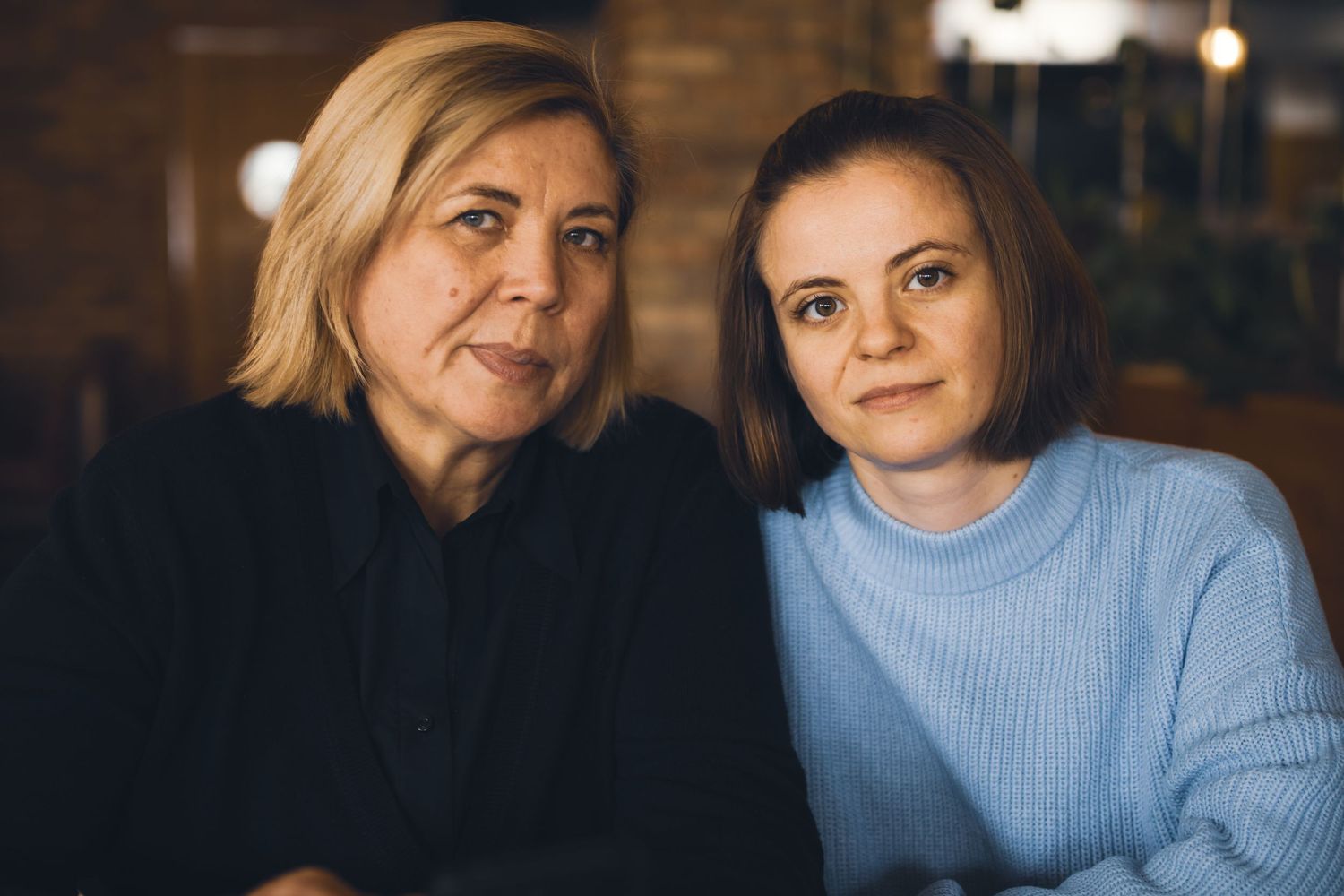
Within days, I met Hanna, who had fled the Russian-occupied town of Nova Kakhovka with her daughter, Bella (now 8), in the first year of the conflict. She left behind everything—her own business, parents, friends, and the life she had built—arriving in the UK with nothing but three rucksacks and very little money.
Listening to her story, I was moved to tears by the sheer pain and loss endured by Hanna, her daughter, and her entire family. I felt compelled to go further—to travel to Odesa, where her mother, Svitlana, and sister, Viktoria, now live. They are free from occupation but still far from home, carrying the weight of everything they’ve lost.
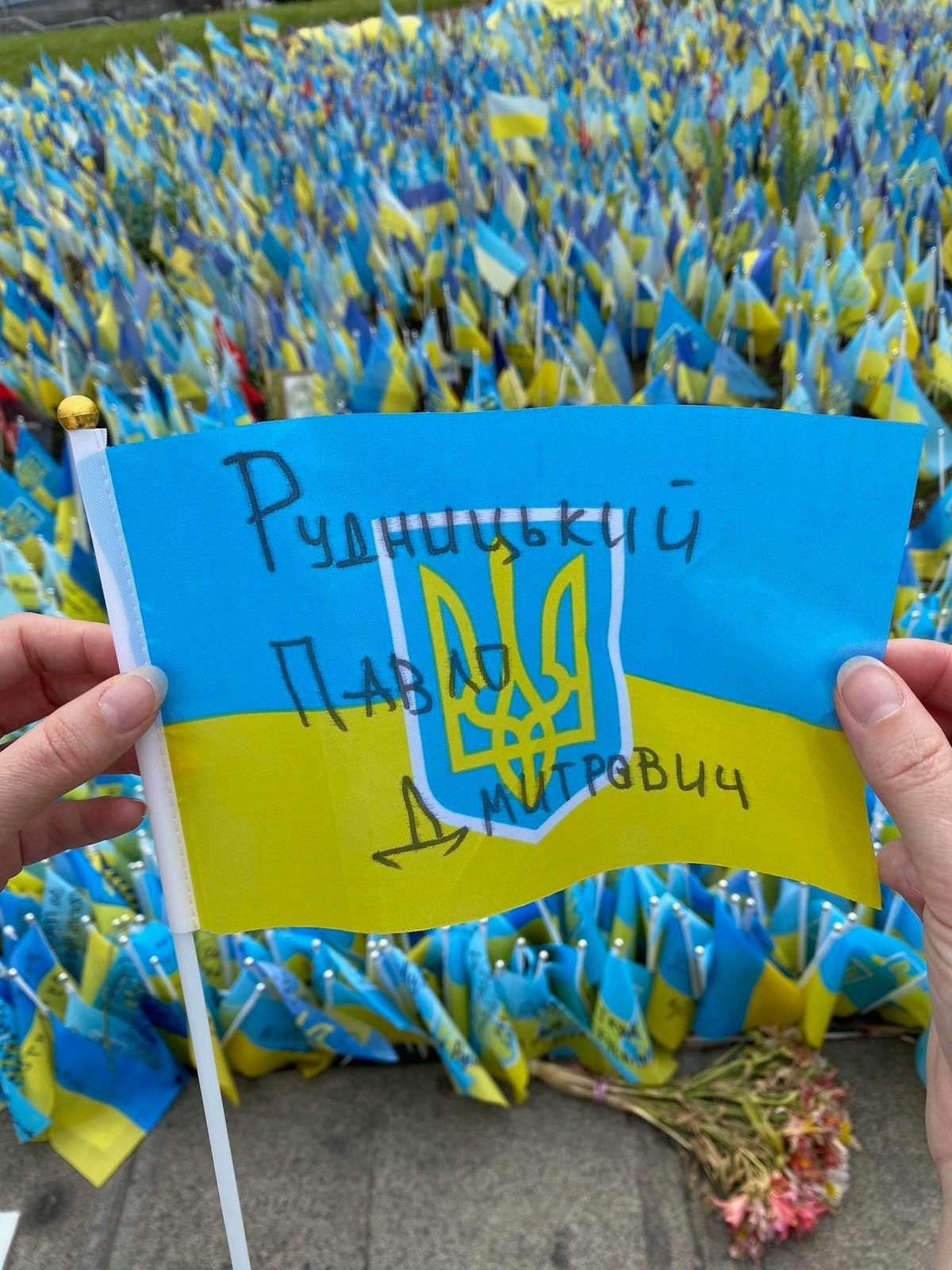
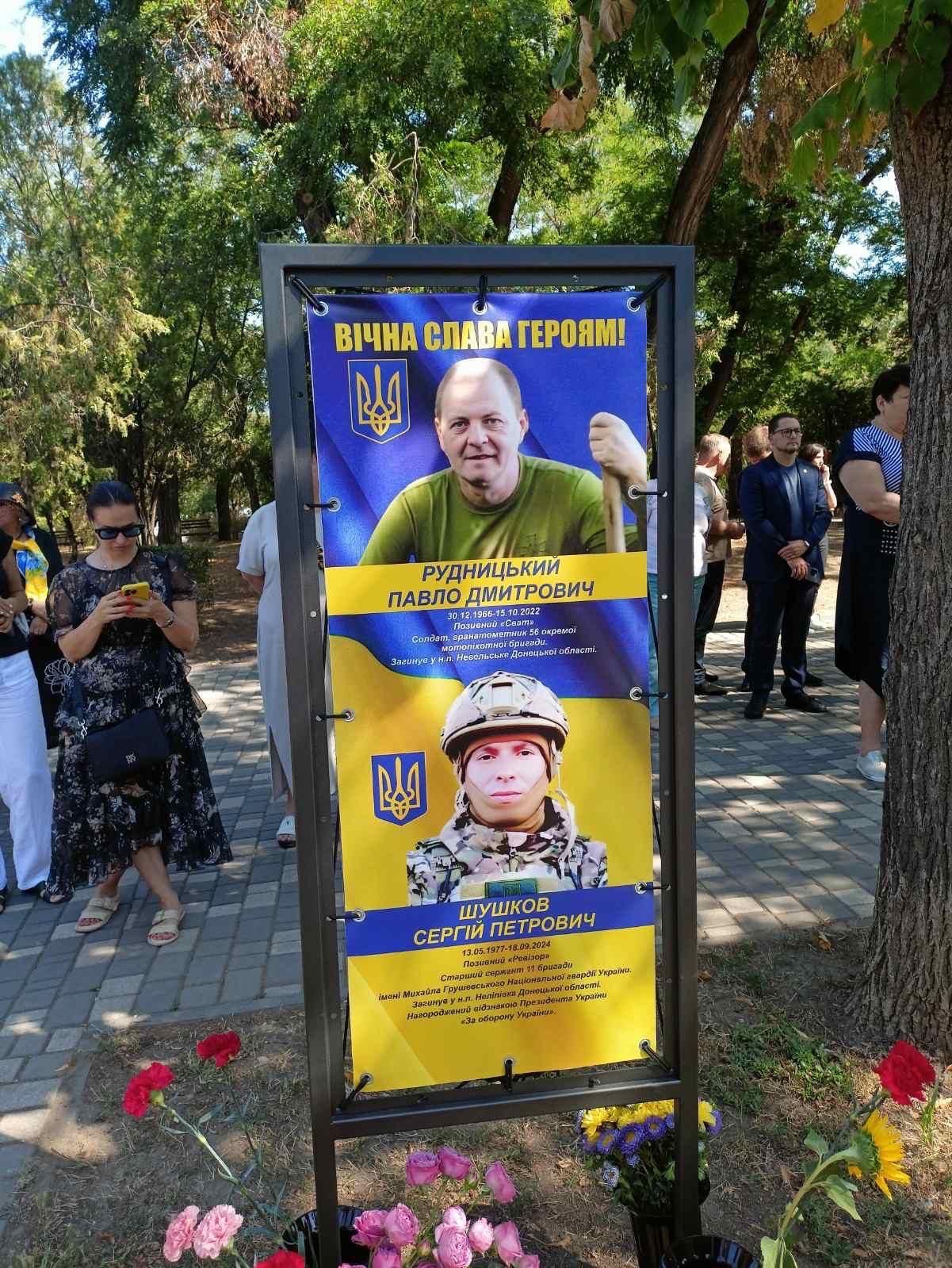
At the heart of this story is Hanna’s father, Pavlo. A man who, by every measure of the word, is a hero. He did not seek recognition or glory—he simply stood up for what he believed in, fought for his family, and ultimately gave his life for his country.
There are many stories like this—stories of war, loss, and survival that will change lives forever. But this one feels particularly close to home. It’s a reminder that behind every person who comes to the United Kingdom because of war, there is a story of love, sacrifice, and resilience that too often goes unnoticed.
Before the war...
...Pavlo Rudnytskyi was not a soldier. He was a welder by trade, a man of quiet strength who worked hard to provide for his family. He spent long stretches of time working abroad—Poland, Italy—wherever his skills were needed, always returning home with the same steady devotion to his wife, Svitlana, and their two daughters, Hanna and Viktoria. Their home in Nova Kakhovka was more than just a house; it was a life they had built together. Two hectares of land stretched around them, filled with fruit trees, a carefully tended vegetable garden, and a large pond stocked with carp—fish so big that catching one felt like pulling a prize from the water.
Life was simple and happy. Summers were spent outdoors, Pavlo teaching his daughters how to fish, Svіtlana preparing meals from their garden. Winters brought warmth inside, with Pavlo reading books late into the night. He was a man of few words but deep integrity, a father who believed in hard work and quiet acts of love. To Hanna, he was a protector, a rock, someone who had once been told he would never walk again after a severe spinal injury but had fought through months of painful rehabilitation to stand on his own feet once again.
Their life was not extraordinary, but it was theirs. A family home untouched by war, by politics, by fear—until everything changed.
The Invasion
Before dawn on 24th February 2022, Russian troops advanced north from Crimea to Nova Kakhova. They stormed the city, taking control of the Kakhovka Dam—a vital strategic asset in the occupation of southern Ukraine. Shortly after, they placed a Multiple Rocket Launcher (MRL) in the town square, a silent threat looming over the residents. The message was clear: We are in control. Helicopters flew so low over the streets that you could see the eyes of the pilots.
For Hanna, the shift from normal life to occupation was immediate and terrifying. Ukrainian phone networks and internet lines were cut, leaving her isolated from the outside world. Shops emptied overnight, the once-busy market replaced by desperation and panic. Walking the streets became a risk—Russian snipers stationed near the dam shot at people, including children, trying to cross, civilians just trying to reach their families.
Svitlana found the occupation to be a slow-burning nightmare. Initially wanting to stay and protect their home, she watched as friends and neighbors disappeared—some taken by Russian forces, others shot in the streets. A friend from childhood, the town’s police captain, was arrested, dragged to a makeshift detention center where his screams could be heard at night. Locals raised $30,000 in ransom to free him. After his release, he fled to Kyiv as soon as he could.
Svitlana recalled another familiar face from their town was Serhiy Tsyhipa, a local journalist and former military officer, who was arrested by Russian forces on 12 March 2022 while delivering medicine and supplies to those trapped in occupied areas. Accused of espionage, he was taken to Crimea and later transferred to a Russian prison, where he was sentenced to over 13 years behind bars.
As the days turned into weeks, life under occupation turned to slow suffocation. The Russian flag flew over the dam. Armed soldiers patrolled the streets. The sound of rockets firing from the MLRS became as normal as birdsong. The fear was constant, the knowledge that any wrong move—a spoken word, a gesture, the wrong clothes—could be fatal. Hanna and Svitlana both knew that soon, they would have to make a choice: stay and survive under Russian rule or risk everything to leave.
By the time March turned to April, the horrors of occupation were no longer just rumors—they were real, undeniable, and closing in. News spread of what was happening in other occupied towns — where women were raped, people were brutally beaten, and children disappeared without a trace.
Hanna knew the situation was deteriorating, but it was Pavlo who finally decided it was time to run. He had been watching, listening, preparing quietly. The Russian grip on Nova Kakhovka was tightening. The local police had been replaced by Russian installed authorities. Checkpoints were multiplying and life was becoming more restrictive.
But Svitlana didn’t want to leave. It was her home. The family home, their sanctuary—with its gardens, its trees, its vast fishing pond—was everything to her. How could she abandon it? How could she leave behind the place where they had raised their children. Pavlo understood. He didn’t argue. He had always been a man of action, not words. If Svitlana refused to go, then he wouldn’t force her. But Hanna and her daughter, Bella, had to go. He would make sure they got out. He would be the one to take them.
Evacuation
Pavlo knew that leaving quietly was the only way to leave safely. The Russian checkpoints were unpredictable, and anyone caught trying to flee risked being turned back or worse. His plan was simple: act as though Hanna and Bella were just traveling home. At each stop, when asked where they were going, Hanna told the soldiers that she lived in Bashtanka and that her father was taking her back. The Russian troops checked their papers, studied them briefly, and waved them through.
At one checkpoint, a soldier paused longer than usual, his eyes settling on Bella in the backseat. Hanna held her breath. Without a word, the soldier reached forward and handed the child a juice box before motioning them on. It was a small moment, but one that carried weight. They kept driving.
The worst part of the journey came at Antonivskyi Bridge, the crossing over the Dnipro River. This was one of the last exits out of Russian-held territory, and it was hell on earth. The bridge was lined with abandoned cars, their doors flung open, some burnt-out, others riddled with bullets. Inside them, bodies slumped over steering wheels, twisted in seats, stacked on top of each other like discarded objects.
Pavlo knew what this meant. Some had made, it but others had been gunned down in their cars. He gripped the wheel tighter and kept moving.
Hanna’s heart pounded, but she couldn’t stop to process what she was seeing. She turned to Bella. “Keep your eyes down,” she told her. Bella obeyed, but Hanna couldn’t look away. The images burned into her memory—the wreckage, the blood, the silent evidence of those who hadn’t been as lucky as them.
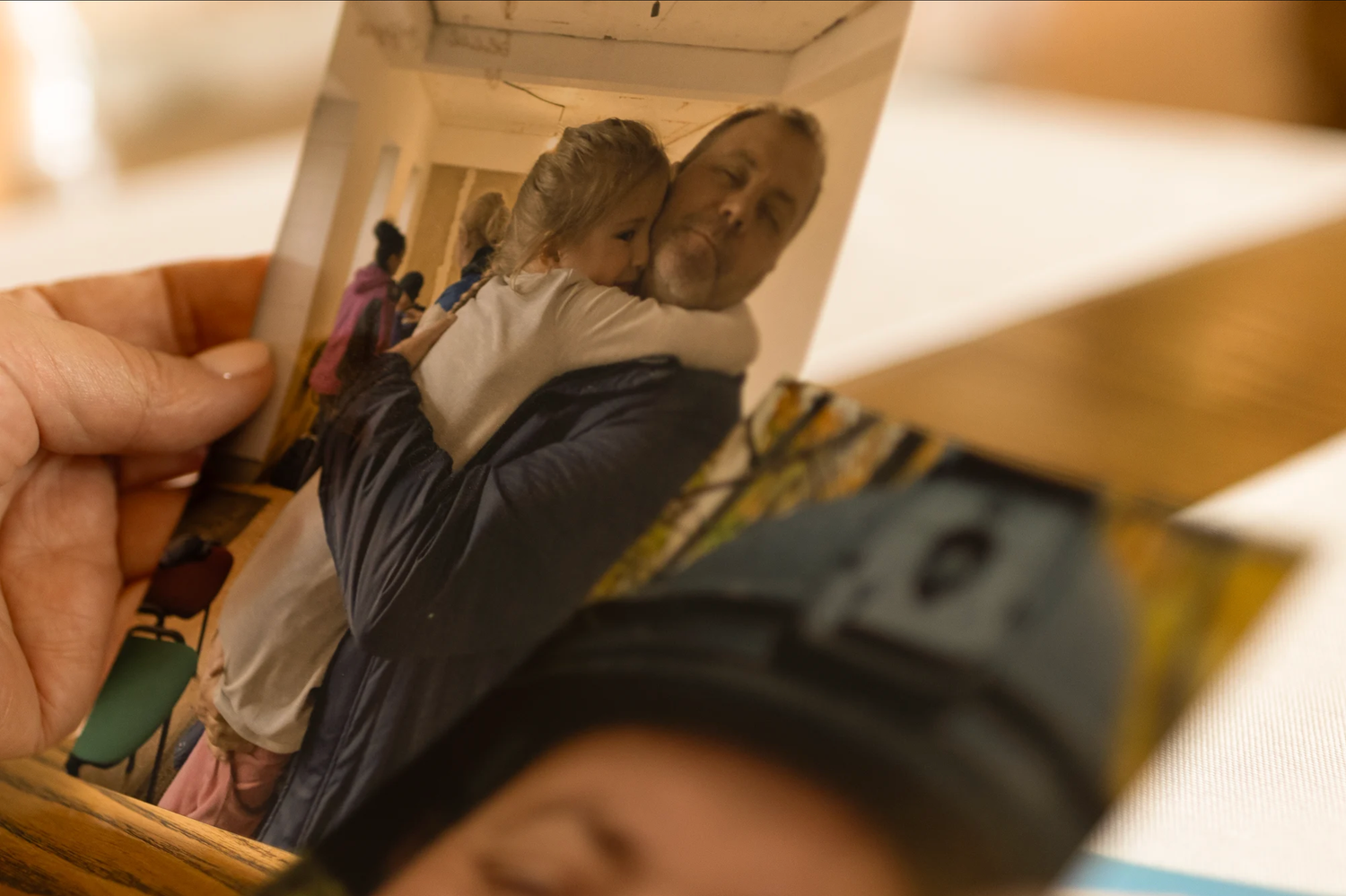
After what felt like days on the road, they reached Bashtanka, where they spent the night in a church. The building had become a temporary shelter for those escaping the occupied territories. Families lay on wooden benches and makeshift bedding, exhausted but safe. The next morning, Pavlo prepared to return to Nova Kakhovka. He had done what he set out to do. He delivered his daughter and granddaughter to safety. Hanna took a photo as he hugged Bella one last time. Then he turned and left.
It was the last time Hanna and Bella would see their Papa.
From Bashtanka, Hanna traveled to Poland, hoping to rebuild some sense of stability. But her business was gone, and her savings were running low. Finding steady work was difficult, and the uncertainty made it impossible to plan for the future. She moved for a short time to Croatia, but there were no school places for Bella, and job opportunities were scarce.
Then she heard about the UK’s refugee sponsorship scheme. The thought of moving even further from home was difficult. She didn’t want to leave Ukraine behind completely, and she worried about being so far from her mother. But Bella needed food, stability, and a place in school. She spoke English, and she knew that in the UK, she would be able to find work and a school for Bella.
She applied, and when her visa was granted, she left. Another country, another attempt at rebuilding. It wasn’t home, but it was safe. She settled with a family in Welwyn Garden City and was given the chance to rebuild her life, with the help of the people and government of the United Kingdom.
The Final Chapter
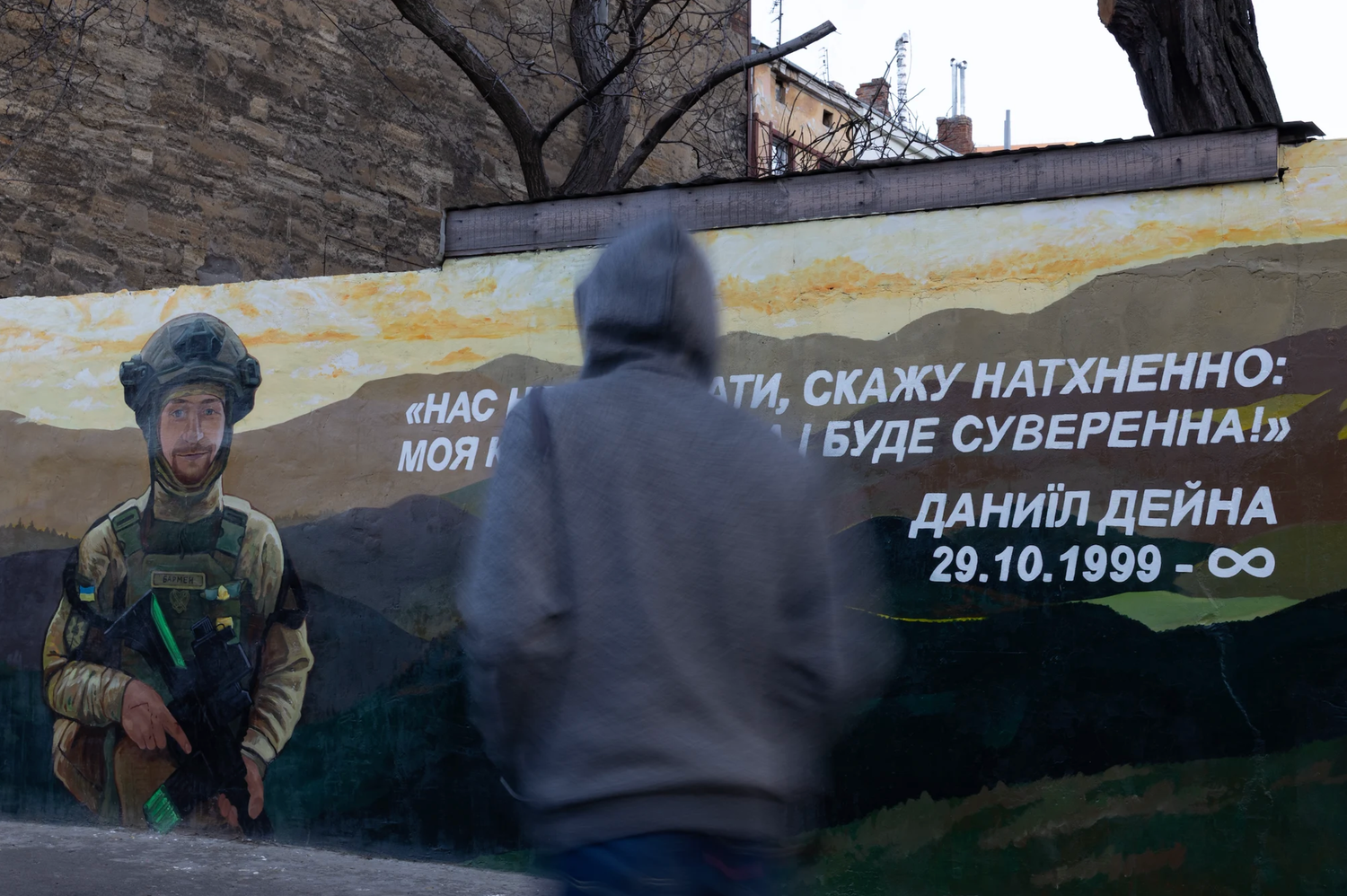
For several months after Hanna and Bella left, Svitlana and Pavlo stayed in Nova Kakhovka. Pavlo and Svitlana didn't want to abandon the home they had built, the land they had cared for, the place that held the memories of their life together. Even as the occupation deepened and the city changed around her, they held on.
But staying came at a cost. The war drained everything. Supplies became scarce, and movement was restricted. The streets no longer felt like home—they belonged to Russian soldiers, their presence a constant reminder that nothing was the same. They had seen friends disappear, neighbors flee, and the city she knew become something unfamiliar.
Then, the final blow came. Svitlana became sick and had to go and see a doctor, only to be told there were no supplies left. The war had stripped the hospitals bare. There was no medicine, no proper care—just a quiet acknowledgment that if she wanted treatment, she had to go somewhere else.
They both knew it was time to move to a safer location outside of Rusisan occupied Ukraine. Leaving meant abandoning their home, but staying meant risking Svitalana's life. They decided to move to Odesa and live close to her other daughter Viktoria, who had built a life and a family there.
The family packed what she could. They weren’t alone—Svitlana's brother, his wife, and their nephew also decided to leave. The journey to Odesa, which would have once taken just a few hours, stretched into three days of uncertainty.
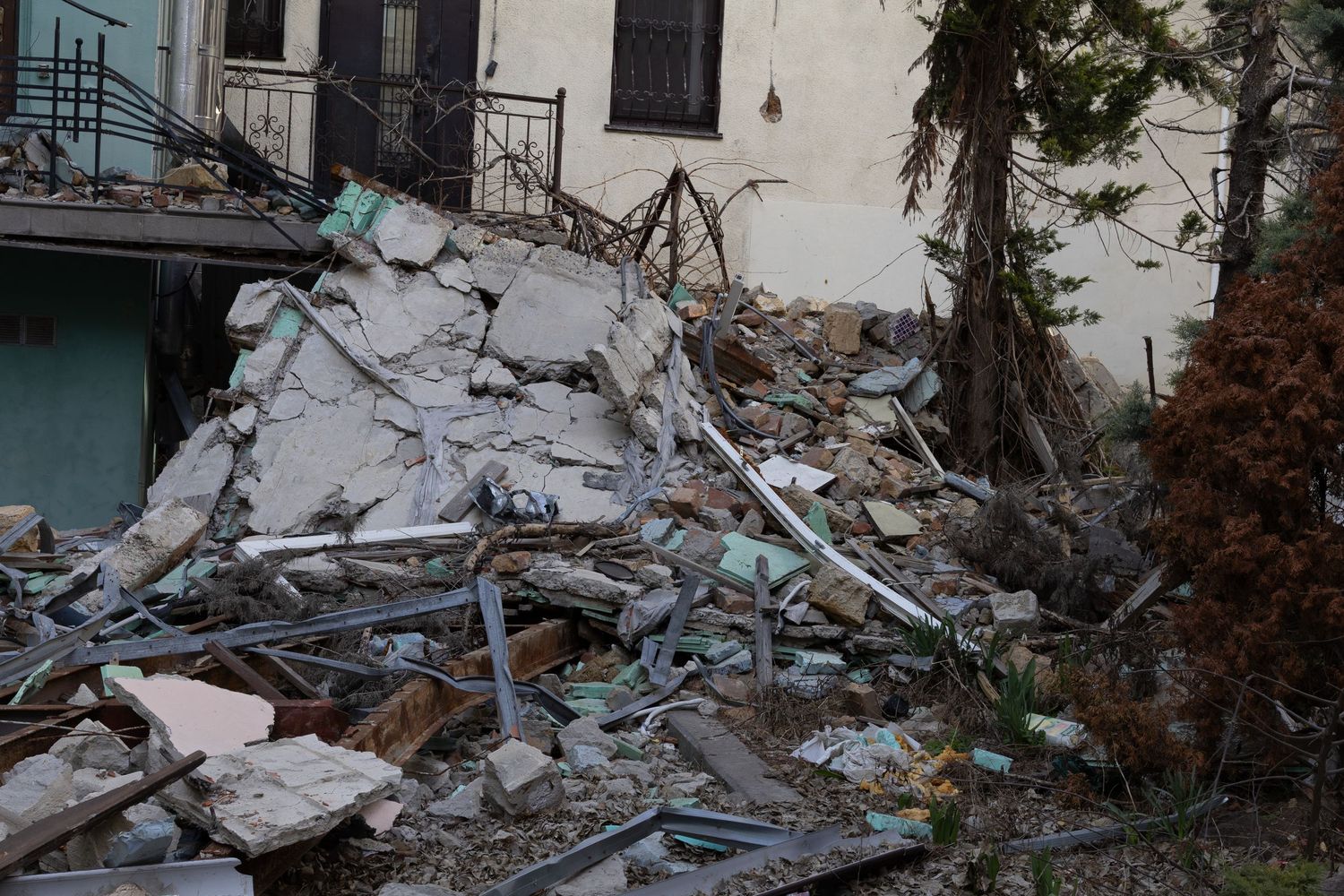
In Odesa, Svitlana found safety, but not peace. She had lost a lot—her home, a daughter to the United Kingdom, and now, the sense of belonging she once had. The city was Ukrainian, but it wasn’t the same. People in Odesa hadn’t lived under occupation. They didn’t understand what it was like to see their world taken from them overnight, to hear the screams of neighbors taken away, to feel the helplessness of being trapped.
In the summer of 2022, Svitlana took a short trip to Romania. It was meant to be a break, a chance to recover from months of stress and fear. But while she was away, Pavlo made a decision that he had been wrestling with for weeks. He had watched as the war continued, as more men left to fight, as Ukraine struggled to hold its ground. He could no longer sit and wait.
He said, “if I don’t fight, who will?” He had to go.
There was no long discussion, no dramatic farewell. Pavlo simply enlisted. He didn’t tell Svitlana until it was done. By the time she returned, it was already decided. He was going to war.
The transition was shockingly fast. There was no training. Within five days, Pavlo was given a basic medical check-out, a weapon, and sent off to the front-line. He had no military background, no experience, but Ukraine needed men immediately.
He was deployed as a grenadier, fighting from the trenches. No drills, no preparation—just war.
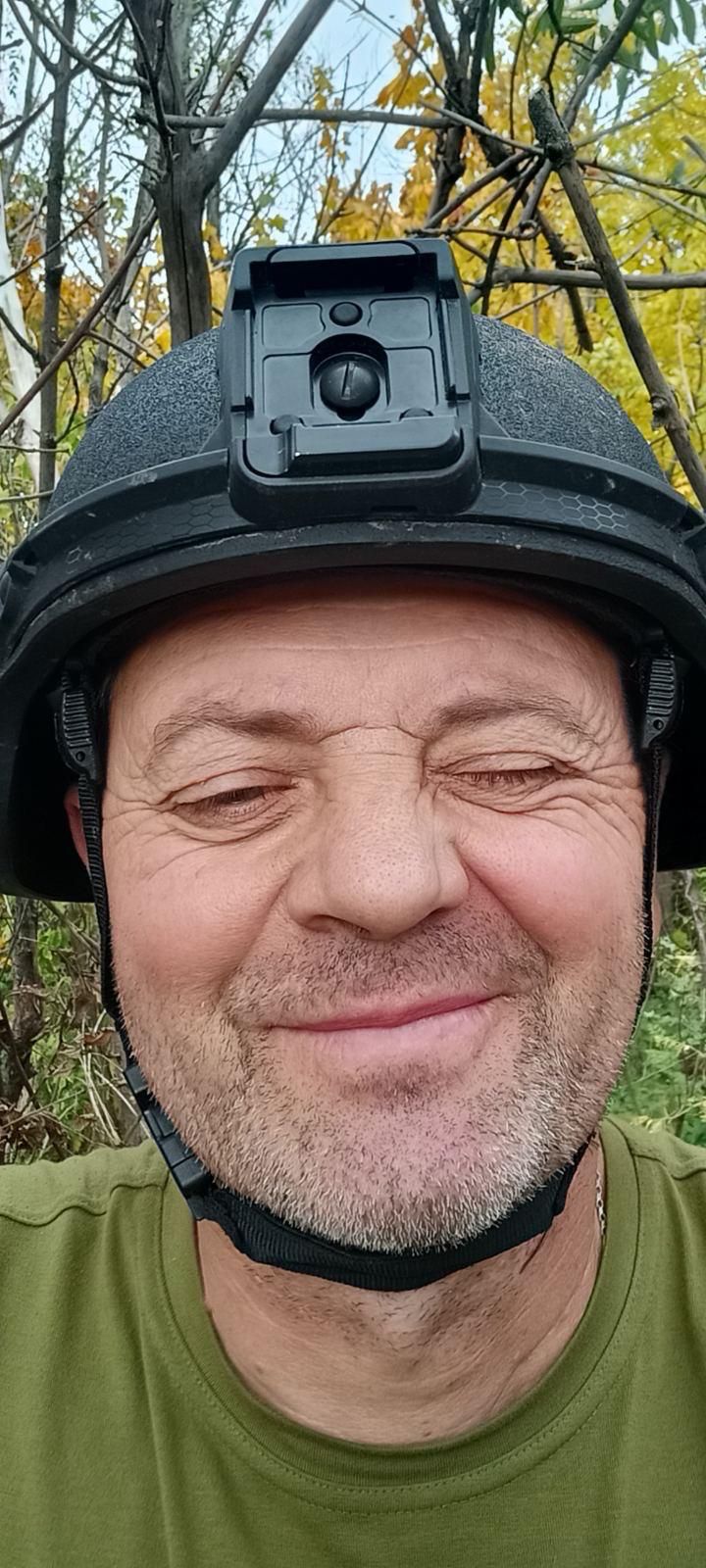
For a few weeks, he was able to send messages back. He sent photos from the trenches, reassuring his family that he was okay. He tried to keep their spirits up, just as he had always done. But then, the updates stopped.
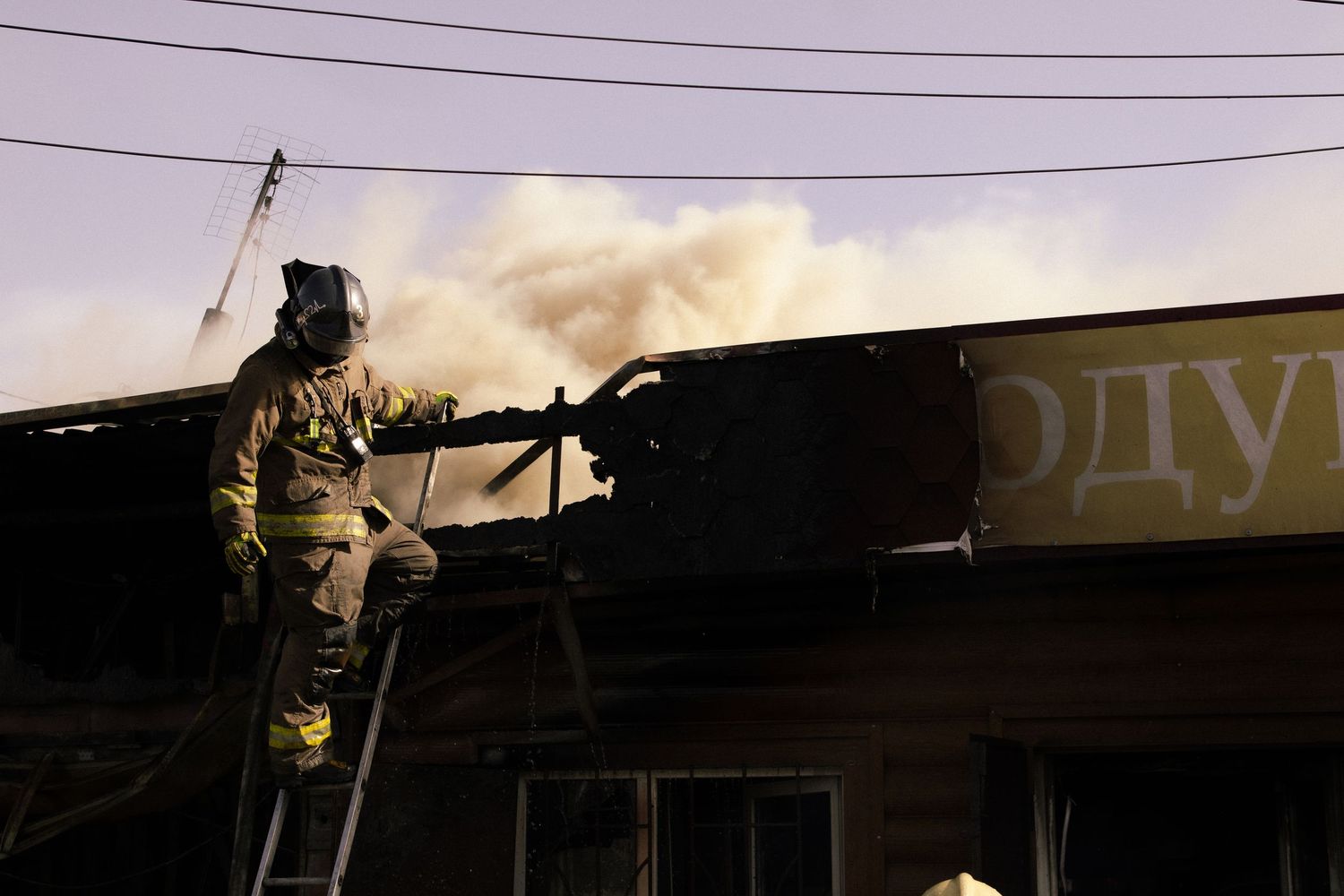
He was sent to Donestsk, where some of the fiercest battles were taking place. Then in the village of Nevelske he was killed, by a mine.
Coming Home
When his body was recovered, his belongings were sent back to Svitlana—including his phone. When she turned it on, a message that had never been sent appeared on the screen. There was a video and a message saying: “Happy 36th wedding anniversary.” Attached was a video message from Pavlo, telling her that everything was okay, that he loved her, that she shouldn’t worry. It had been recorded just a day before he died. The message didn't sent from the trenches. It had stayed in his phone, undelivered, until the device was returned to her. They were his last words to her, frozen in time. Pavlos message sat on his phone until it was returned to his wife after his death.
Watch his final message on YouTube below
A New Chapter
Despite everything, life moves forward. Hanna and Bella are building a new life in the United Kingdom but they want to return home when it is safe for Bella. It isn’t what she planned, and it will never replace what she lost, but it is a life, nonetheless. She has a stable job in a school, a home, and most importantly, Bella is thriving. She has friends, school, and security—everything Hanna had hoped to give her when she made the impossible decision to leave Ukraine. The memories of war and loss will always be there, but so will the future she is creating for her daughter.
Svitlana remains in Odesa, where she has found purpose and connection, mostly with other internally displaced people who have fled occupied lands. She grieves every day for Pavlo, and there are days when the loss feels as raw as ever. But she is not alone. She has her younger daughter, Viktoria, who has been her pillar of support, standing by her side as they rebuild their lives. She continues her volunteer work, creating masking nets for Ukrainian military vehicles, doing what she can to help in her own way. The pain of the past will never leave them, but neither will the love, the resilience, or the quiet strength that Pavlo embodied. They carry him with them in everything they do. He is a true hero.
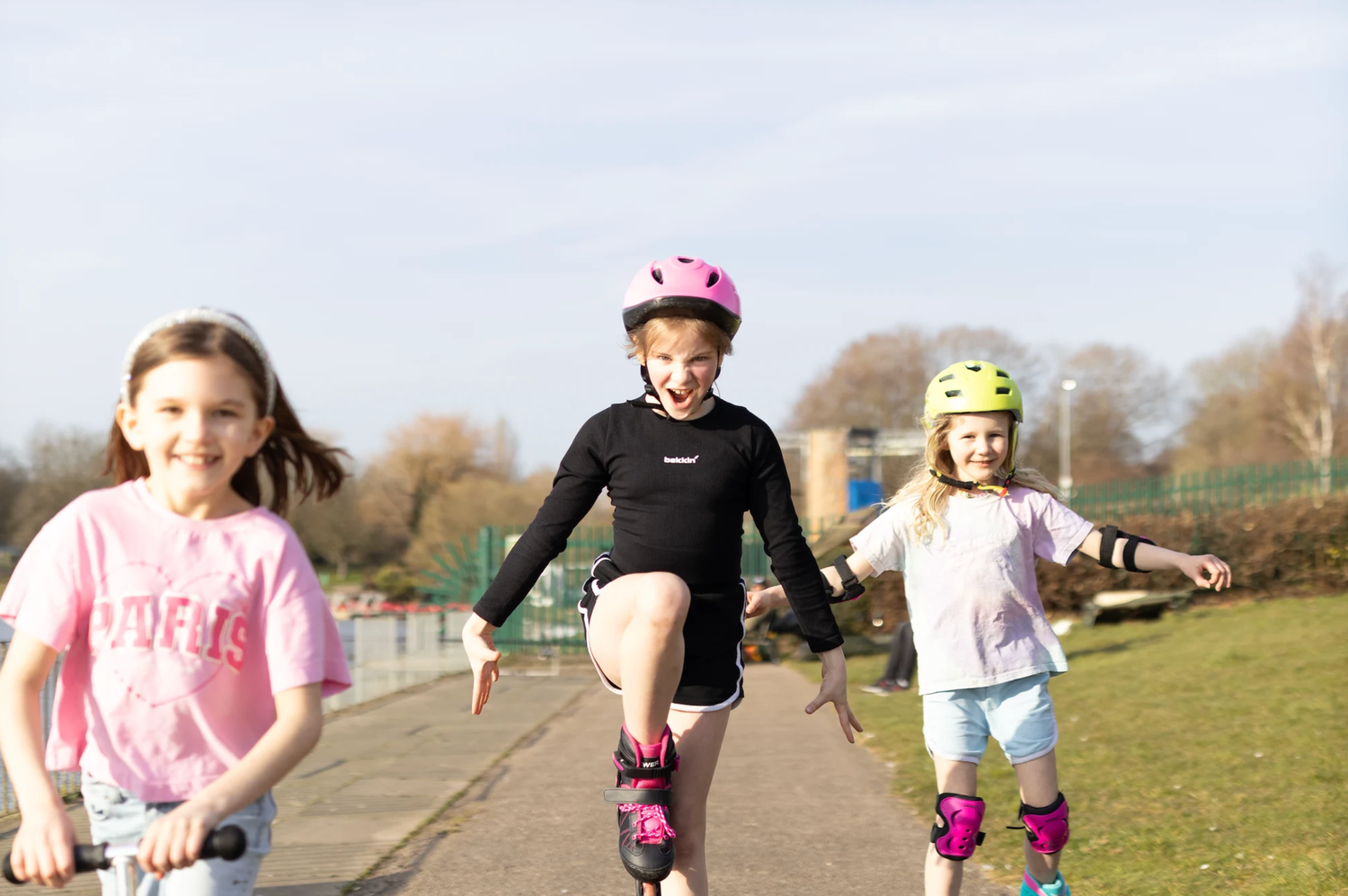
Bella, centre is thriving in Hertfordshire